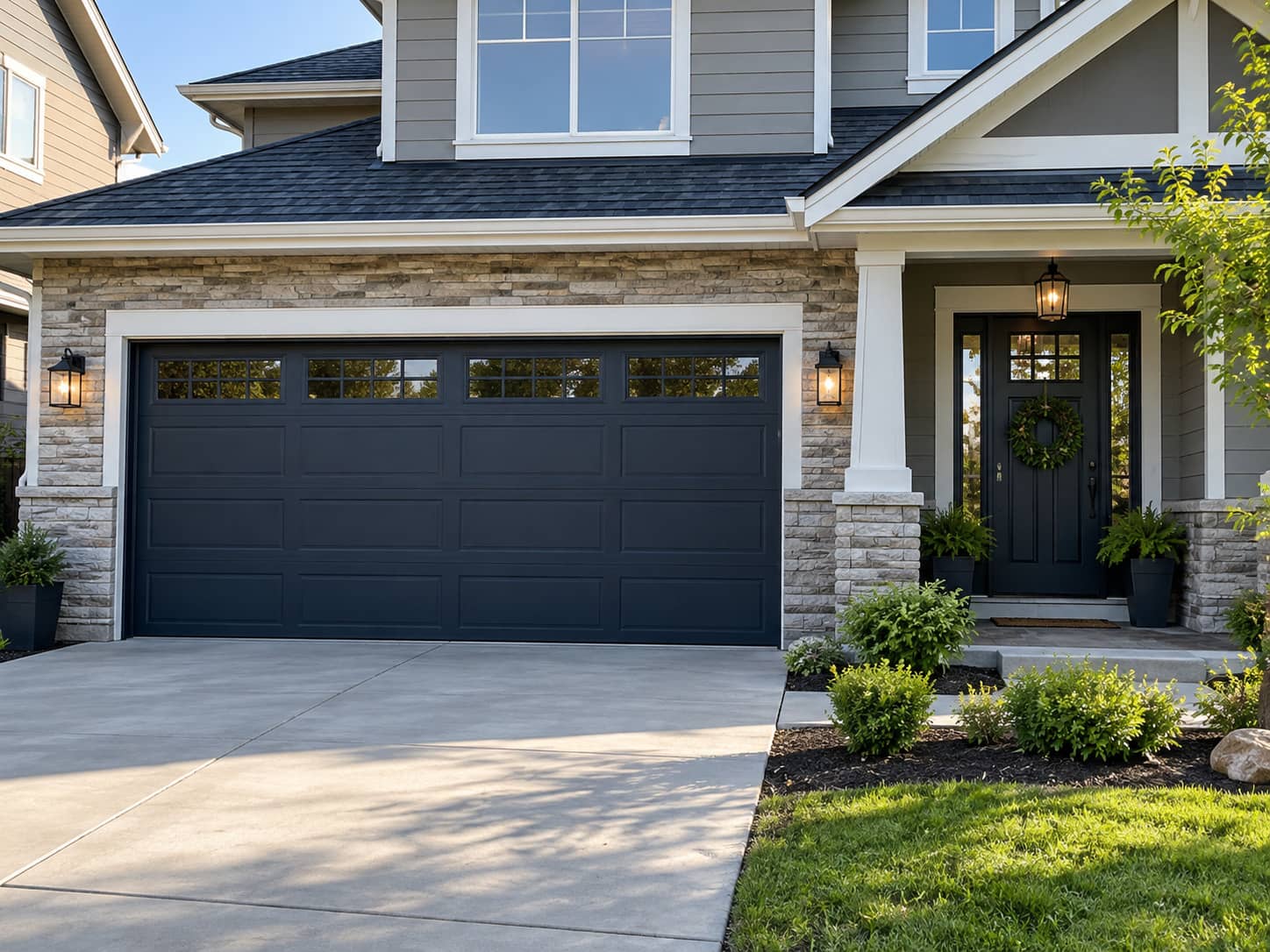
Exterior paint needs the right conditions to dry and bond properly. In Ontario, that generally means painting from late spring to early fall. The exact dates change every year, so it's better to watch the conditions than the calendar.
Why the weather matters
Paint is applied as a liquid and has to cure into a durable film. Cold, moisture, and extreme heat can all interfere with that. A finish applied in poor conditions may look fine at first but can have problems later.
Temperature
Every product has its own minimum application temperature, listed on its label and technical sheet. It's not only the afternoon high that counts. The temperature overnight matters too, because paint keeps curing after the crew has gone home.
Moisture
Surfaces need to be dry before painting, including siding and wood that may have absorbed rain. Fresh paint also needs protection from rain until it's dry enough. Dew can also be an issue on cool mornings and evenings in spring and fall.
Direct sun and heat
A very hot surface can make paint dry too quickly, which can affect how it flows and bonds. That's why painters often try to work around the sun, following the shade from one side of the house to the other.
A season-by-season view
Spring
As things warm up, spring can be a good time to start, but it can also be wet. Cool nights and damp surfaces can still cause delays, particularly early in the season.
Summer
Summer offers plenty of painting days, though extremely hot stretches and humidity call for careful timing. It's also when many people want the work done.
Early fall
Early fall often brings milder temperatures and lower humidity. It can be an excellent time to paint. The main thing to watch is the shorter days and cooler nights as the season moves on.
Late fall and winter
Colder temperatures generally make exterior painting impractical, although it's a great time to plan your project. Interior painting can continue all year.
When should you book?
Exterior schedules can fill up during the painting season, so it helps to reach out early. Winter and early spring are a good time to get an estimate, choose colours, and work out a plan.
Signs your exterior shouldn't wait
Some problems get worse if they're left too long:
- Peeling, cracking, or blistering paint
- Exposed bare wood
- Failing or missing caulking
- Soft spots or water damage
If you see these, have someone take a look. Bare wood and open joints can let moisture in. Timing may also matter for deck and fence painting, since wood has to be dry before it's coated.
Planning your project
Whether it's your whole house or just your doors and trim, our exterior painting in London, Ontario starts with proper preparation and a schedule that works with the weather. We also offer door and garage door painting and exterior painting in St. Thomas.